
Subscribe to our Monthly Newsletter
The Wednesday Journal of Cultural Insights.
Over the last 18 months, we have been watching something interesting happen in the way people search for new materials and understand Neo Materiality. The questions have changed. This tells us something important about where material innovation is going.
18 months ago, the dominant question was:
18 months ago: What are the new materials entering the market?
People were discovering mycelium (we, the material nerds live sometimes in a bubble, there are many people who still have never been in touch with mycelium, and that is ok!), bio-based materials, recycled materials, algae, agricultural waste, new composites and all the other material innovations entering the market.
The focus was on discovery. What is it made of? How is it produced? Is it really sustainable?
Once a few materials were discovered, the questions shifted.
Then the questions became more practical.
6-12 months ago: Can I actually use it?
After the discovery and probably having been in one or more touch points (trade fairs, local shows, press), it is the moment when material innovation starts moving from questions of pure curiosity become a more practical focus.
What new materials can actually be used in product and interior design? Where can I source it? What applications is it suitable for? How durable is it? Can it meet technical requirements? Can it be produced at scale? What does it cost?
All very necessary and logical questions that will stay.
Today: How do I know if a new material is credible and ready to use?
We have moved from discovery to validation. This is probably one of the most important shifts happening in material intelligence right now.
Is this new material really sustainable? How can I verify a material’s sustainability claims?
What happens to the material at the end of its life? How does a new material compare with a conventional material?
What are the real trade offs? Is it commercially available? Who is already using it? Can I specify it with confidence?
This is a very different conversation.
A new challenge
The challenge is no longer finding interesting materials. There are plenty of them. The challenge is understanding which ones are mature enough, relevant enough and credible enough to move from a material story into a real design decision.
This is also where AI is changing the landscape. AI can help us discover hundreds of materials in seconds. But discovering a material is not the same as understanding or touching it. And understanding a material is not the same as knowing whether it is the right material for a particular application, market or business. And an understanding of what the material actually means within a larger cultural and design shift.
That requires context.
From material fascination to material judgement
It also requires something that cannot be answered by a search result alone: judgement. Perhaps this is the most interesting change we see in the questions around new materials when working in material consultancies.
We are moving from being impressed by the material itself to understanding what it can actually contribute. Material innovation does not need more noise. It needs better questions.
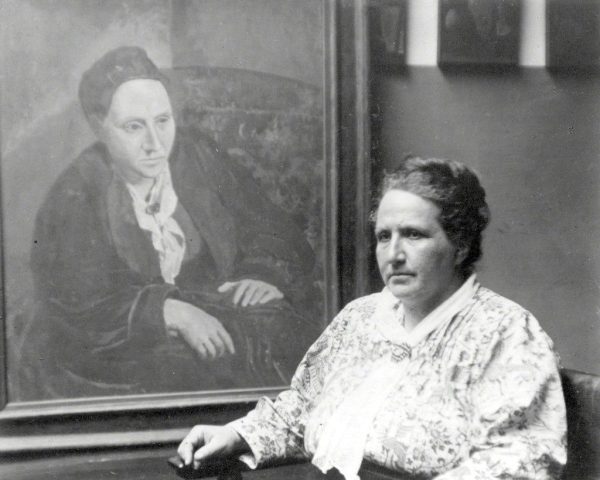
While reading Pablo Picasso’s autobiography, I found myself drawn not only to the artists of early twentieth-century Paris, but to

Deceleration and playfulness might seem opposites, yet the work great together. The question is why they appeared together now, and
We’ve never had more so-called trends and rarely so little clarity. Substance over trends is a series we publish on