
NEO
MATERIALITY
The material landscape is expanding faster than most design teams can evaluate it.
But discovering new materials is no longer the difficult part. The difficult part is understanding which ones matter, which are commercially ready, what they can replace, and where they genuinely create cultural value.
WHAT IS
NEO
MATERIALITY ?
The term refers to a contemporary way of thinking about and working with materials that goes beyond their traditional physical properties (hardness, texture, durability) and embraces provenance, cultural identity and meaning.
The new materials can be made of
- bio-based materials,
- repurposed waste
- or upcycled materials,
just to name a few.
80%
of our materioteca has sustainable components, and the evolution and research of what is possible is endless.
But what makes the concept exceptional is this:
1/
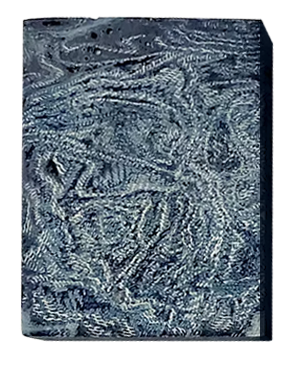
Emotional & experiential values
How materials make people feel, their narrative, and the sensory experience they provide (smell, sound, tactility, memory).
2/
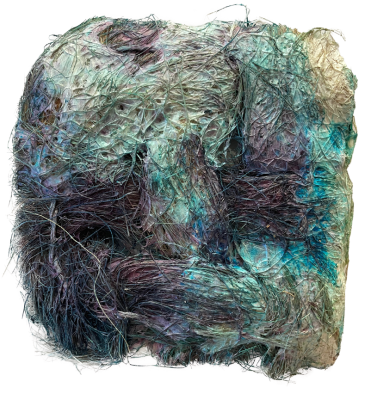
Cultural & symbolic layers
The meanings, stories, and identities attached to materials. How do they reflect societal values or ethics?
3/
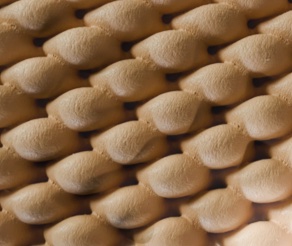
Ecological impact
The origin, circularity, and sustainability of a material as part of its “identity.”
IN SHORT
Neo Materiality is about seeing materials not only as matter, but as carriers of technology, emotion, and meaning.
We source, research, and compile options tailored to your brief, with attention to tactile performance, emotion, and sustainability.
Our meticulously curated materials library with 1.000 samples travels in our sessions and provides a ready-to-explore collection of innovative samples.
Mycelium
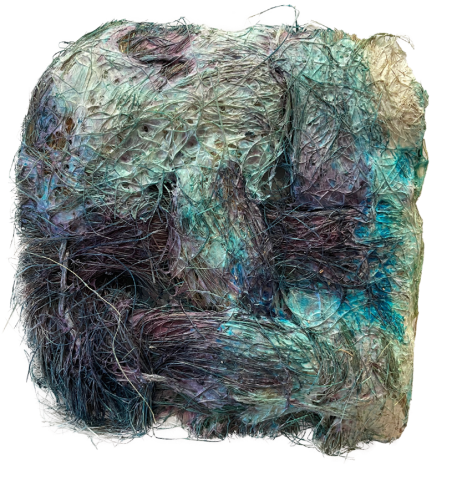
Denim waste
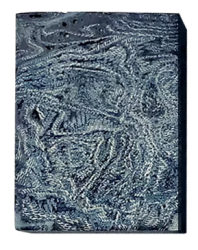
3D printed
We share our materioteca
through immersive sessions in Barcelona or via in-house consulting, helping you make thoughtful and future-forward material choices.
You will find anything from nutshell composites, mycelium-infused fibers, vegan ‘leather’, 3d printed samples to flexible pine bark and modern marquetry.
OUR EDGE
We look at what is changing in culture and ask what it means for color, material, finish. We curate what’s worth paying attention to and explore insights in hands-on sessions that are, frankly, pretty epic.
THOUGHT FOR
design, innovation, and R&D teams looking at emerging materials and sensory shifts to understand what they reveal about changing culture.
FAQ
What are the most innovative new materials available today?
The most innovative new materials available today are increasingly bio-based, waste-derived, biofabricated, and engineered materials that rethink how materials are sourced, made, used, and recovered. Key examples include mycelium composites, bacterial cellulose, algae-based materials, bio-based polymers, agricultural-waste composites, biomineralized materials, and advanced recycled materials. But material intelligence is constantly evolving and so is the answer.
What are next-generation materials?
Next-generation materials are new or re-engineered materials designed to address changing environmental, technological, and performance needs. Unlike conventional materials, they often combine new sources, production processes, functionality, and end-of-life strategies (ex:Mycelium).
How much do new and sustainable materials cost compared with conventional materials?
Costs vary significantly by material, technology, production volume, and manufacturing process. While some new and sustainable materials are more expensive than conventional alternatives, the cost can also be much lower than consumers assume and can be highly competitive.
How sustainable is a material really?
A material’s sustainability depends on its full life cycle, not just its raw material or production method. Key factors include where it comes from, how it is made, its durability, energy and water use, transportation, recyclability, and end-of-life options. A material should therefore be assessed by its overall environmental impact rather than a single sustainability claim. However, improving even one or more sustainability aspects can be a meaningful step forward, as long as these improvements are communicated transparently.
Which biomaterials are commercially ready for interiors?
Several biomaterials are already commercially available in interior design, including plant-fiber composites, agricultural waste composites, cork, bio-based leather alternatives and others. Their readiness varies by application, but some are already being used for acoustics, furniture, panels, upholstery, and surfaces.